


.png)

.svg)
.svg)
.svg)
5 Best Sleep Tracking Devices of 2026: Which One is Worth Your Money?
Sleep is the one variable almost every serious health conversation eventually circles back to. You can optimize your diet, your workouts, your hydration, but if you're shortchanging your sleep, you're fighting an uphill battle.
A good tracker shows you your sleep quality at a glance. A great one shows how much recovery debt you've racked up, and what you can do about it tonight.
That said, not all sleep trackers are worth your time or money. I've narrowed it down to five that suit different lifestyles and preferences. Read on to find out which one is yours.
Find Your Ideal Sleep Tracker in Under a Minute
- You want a sleep tracker that helps you sleep better, wake up refreshed, and understand what is hurting your recovery → Circular Ring 2
- You want your sleep score calculated against your daily workout and recovery data → Whoop 5.0
- You want sleep tracking without wearing anything to bed and don't need deep biometric data → Withings Sleep Analyzer
- You want reliable sleep tracking and a full fitness tracker under $200 → Fitbit Charge 6
- You're an iPhone user who wants solid sleep tracking built into the best smartwatch on the market → Apple Watch Series 11
1. Circular Ring 2
Best for: Anyone who hates bulky wrist-based sleep trackers and wants accurate sleep data paired with guidance on how to sleep better
Price: $349
*No subscription required for the 13+ core features
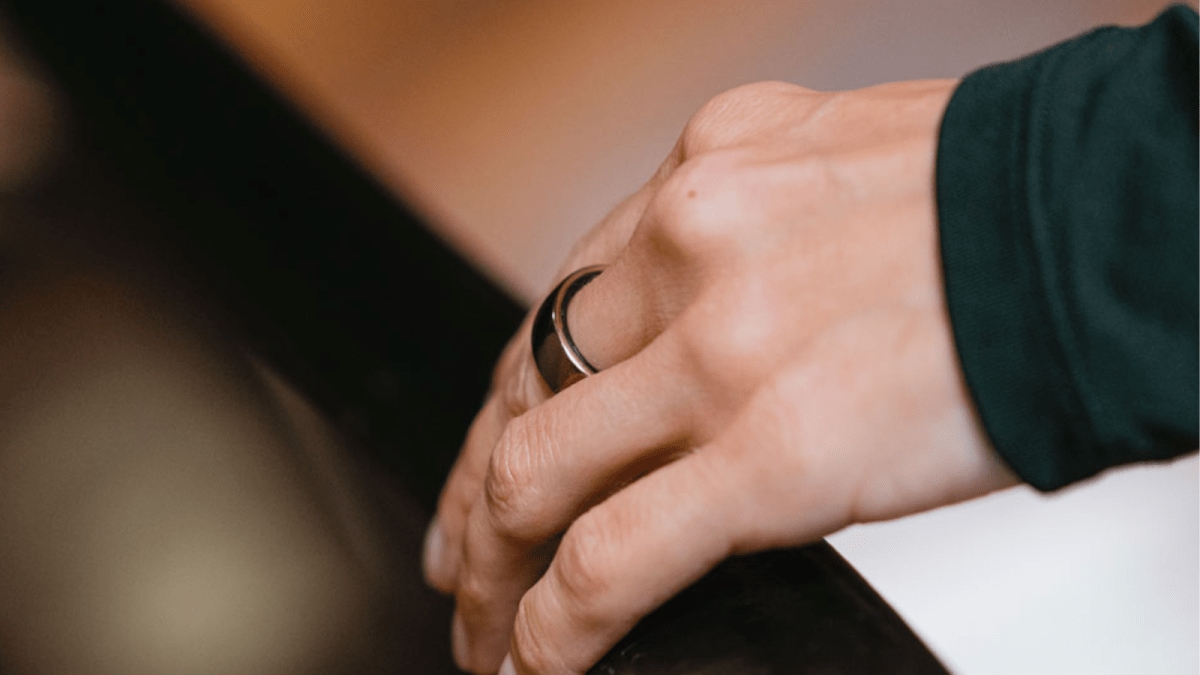
The Circular Ring 2 is the most technically ambitious sleep tracking device currently on the market due to its proactive coaching layer and sensor accuracy.
It comes with 13+ subscription-free core features (on-demand ECG and Afib detection included), yet sleep tracking is the Circular Ring 2's strong suit. After a 14-day calibration period, the ring’s companion app will generate a very accurate and comprehensive morning report, which covers HRV, breathing rate, SpO2, skin temperature, sleep stages, body movement, bedtime consistency, etc.
And unlike health trackers that only display numbers, Circular Ring 2’s AI coach, Kira, cross-references your biometric data to come up with an actionable plan. It may also hold a brief Q&A session to build a more complete picture of your sleep quality when your numbers dip. After synthesizing your data, the app tells you exactly what tanked your sleep, whether it was late caffeine, alcohol, or stress, and what you can do about it.
For example, if your sleeping heart rate ran high and your HRV dropped, meaning your autonomic nervous system did not recover properly overnight, Kira tells you to delay your first morning coffee, since cortisol is already peaking and caffeine on top of that compounds the stress load further.
On top of all this, the smart alarm solves one of the most frustrating problems with fixed wake-up times. You set a wake-up window, say, 6:30 to 7am, and the companion app wakes you in the light sleep stage within that time frame. Rather than yanking you out of deep sleep at exactly 7am, leaving you groggy, you wake up at the right moment in your sleep cycle, feeling noticeably more rested.
2. Whoop 5.0
Best for: Serious athletes and anyone who wants their sleep data coached against their actual training load
Price: No upfront device cost. Whoop One: $199/yr | Whoop Peak: $239/yr | Whoop Life (MG): $359/yr
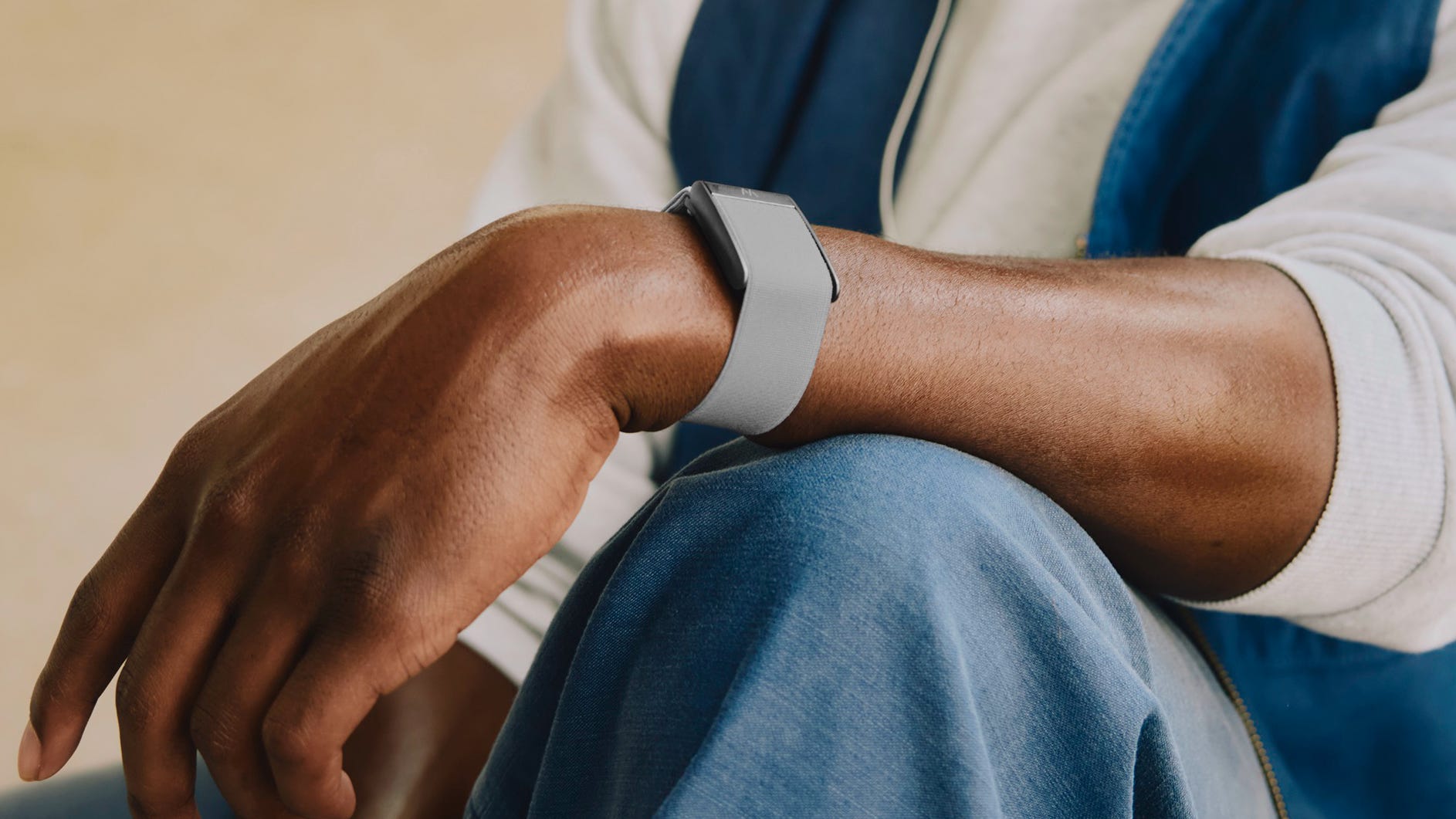
Whoop has a fundamentally different philosophy from every other tracker here. What it does better than anyone else is connect your sleep to your training load. The device tracks how hard your body worked each day (Strain) and how well you recovered (Recovery).
It then calculates exactly how much sleep your body needed that night based on those inputs. If you did a brutal workout, Whoop knows you need more than your baseline 7.5 hours. If you took a rest day, your Sleep Need drops accordingly.
Sleep staging accuracy on WHOOP is solid and on par with most ring trackers. That said, wrist-based optical sensors have always had a harder time than finger-based ones during periods of high movement. Finger sensors sit closer to capillary-rich tissue and move less independently, which gives them a modest but real edge in signal quality during disrupted sleep.
Where WHOOP genuinely earns its place in a sleep tracker list is the sleep coaching. It logs sleep onset and wake times with high precision, and the Sleep Coach tells you exactly what time to be in bed tonight to hit your recovery target tomorrow, which is useful when a big training day or race is on the line.
3. Withings Sleep Analyzer
Best for: People who find wearables irritating, run hot at night, or anyone with genuine concerns about sleep apnea

Price: $170–$200. No subscription for core features. Withings+ optional at $9.95/month.
The Withings Sleep Analyzer goes right under your mattress, plugs into the wall, so you're not wearing any bulky trackers to bed. The accuracy question is what makes or breaks an under-mattress tracker, and the Withings clears that bar more convincingly than most people expect.
A validation study for Withings found 83% overall sleep-wake classification accuracy, which is in the same ballpark as entry-level wrist trackers. Its respiratory analysis is where things hit it out of the park.
The device uses a pneumatic sensor and a built-in microphone to measure breathing patterns and detect snoring. For moderate-to-severe sleep apnea, it showed 88% sensitivity in clinical comparisons, a figure that rivals some Type III home sleep tests.
This isn't a device that vaguely tells you your breathing was "disrupted." It gives you snoring duration broken down by time of night, breathing disturbance counts, and a Snoring Index you can hand directly to your physician.
What it trades away for the no-wearable convenience is biometric depth. There's no HRV measurement, no body temperature, no SpO2 from your blood. Without skin contact, those sensors simply can't work. If you're an athlete trying to track recovery through HRV trends, or if you want temperature data to understand sleep quality shifts, the Withings is definitely not for you.
4. Fitbit Charge 6
Best for: Budget-conscious users who want reliable sleep data and a full-featured fitness tracker without paying a monthly fee
Price: $159.95. No mandatory subscription (Fitbit Premium optional at $10/month or $80/year.)
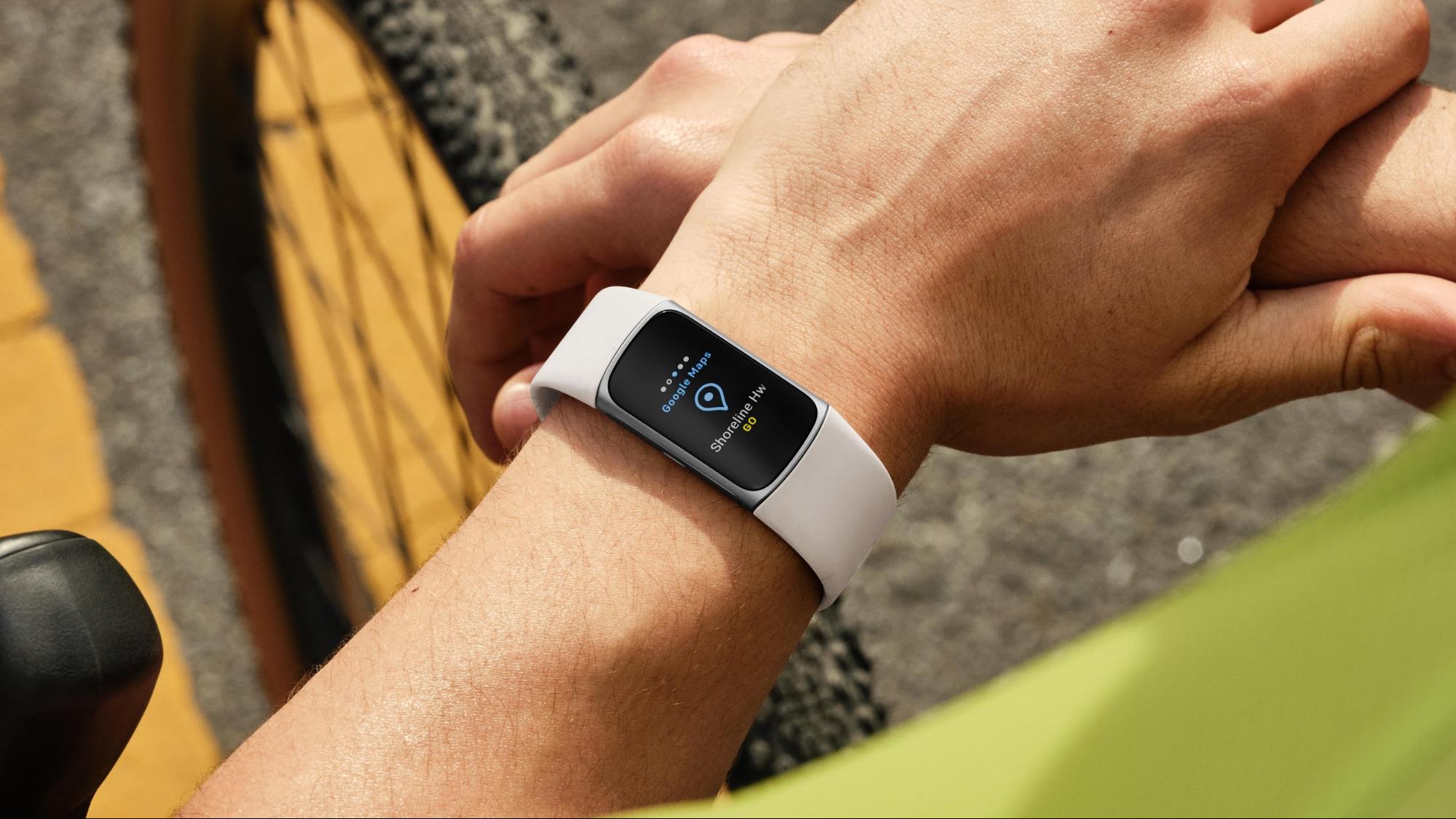
The Fitbit Charge 6 tracks over 40 exercise modes, integrates with Google Maps and Google Wallet, and still delivers sleep tracking that holds its own against devices that cost twice as much.
Sleep staging on the Charge 6 is built on Fitbit's algorithm, which is one of the longest-running in consumer wearables. A 2024 study from Harvard Medical School found Fitbit's sleep staging running about 10% behind ring-based trackers in classification accuracy.
That's a real gap, but it's not the kind that renders the data useless. Night-to-night trends, average deep sleep percentages, sleep consistency— all of that comes through clearly.
The feature that actually sets Fitbit apart here is Sleep Profile. Rather than just generating a nightly score, the app monitors your patterns for a full month and then assigns you one of six sleep phenotypes, which is a category that describes your natural sleep architecture tendencies.
Each month brings an updated phenotype with context about how your patterns have shifted and what might be driving the change. What you're really trading by choosing the Charge 6 is granularity and coaching depth, in exchange for a full-featured everyday device that doesn't demand a monthly subscription.
5. Apple Watch Series 11
Best for: iPhone users who want a capable wrist-based sleep tracker built into the best smartwatch on the market
Price: From $399. No subscription required.
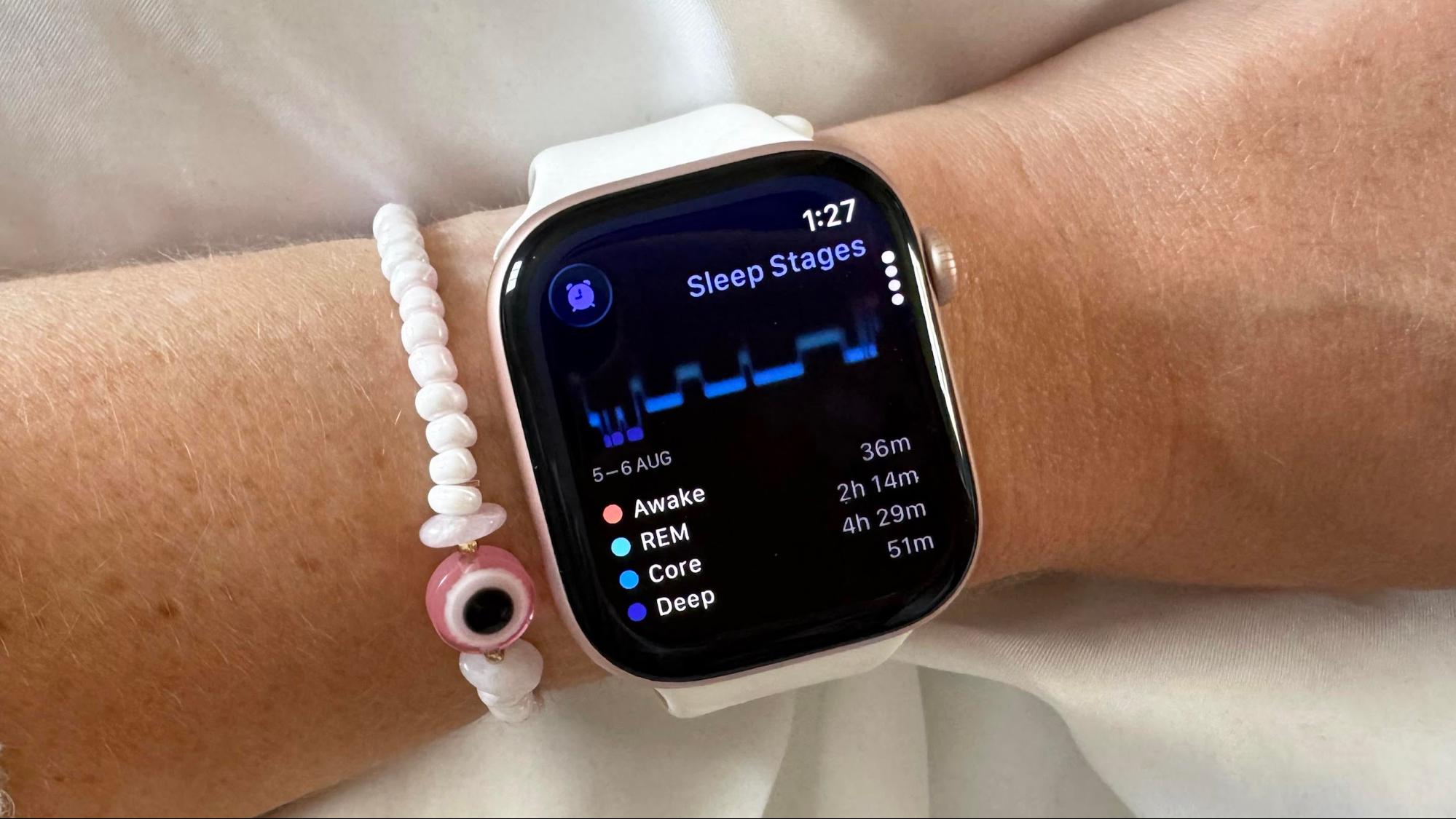
If you're already in the Apple ecosystem, the Series 11 is probably the easiest yes on this list. The headline sleep feature for Series 11 is the new Sleep Score, which was introduced with watchOS 26.
Every morning you get a rating from Very Low to Excellent, built from three components: sleep duration (50 points), bedtime consistency (30 points), and nighttime interruptions (20 points).
That's actually a smart move on Apple's part. Sleep stage analysis on wrist trackers is notoriously shaky since the wrist is just not a great place for that kind of precision. So instead of dressing up unreliable data, Apple built the score around things it can actually measure well.
The watch also passively captures heart rate, respiratory rate, wrist temperature, SpO2, and sleep apnea notifications throughout the night.
All that said, where it starts to fall short is depth. The Sleep Score, which was designed to be transparent and easy to act on, doesn't touch HRV trends or recovery.
There’s some basic guidance baked in but it’s generic. For example, it tells you how to make your sleep more restorative based on your own historic patterns, but there's no AI coach, no sleep debt tracking, and nothing like the personalized loop you'd get from Kira on the Circular Ring 2 or the training-aware coaching on Whoop.
FAQs:
Which sleep tracker is most accurate?
Ring-based trackers like the Circular Ring 2 have a structural accuracy advantage over wrist-based ones since finger sensors sit closer to capillary-rich tissue, which produces cleaner heart rate and HRV readings overnight.
Is WHOOP worth it if I'm not an athlete?
Probably not at the higher tiers. WHOOP's strength is tying sleep to training load. If fitness isn't central to why you're tracking, you'd be paying a significant annual subscription for features you won't fully use.
Is it uncomfortable to sleep with a tracker on?
For most people, rings are generally the most comfortable for overnight wear. Wrist bands vary: WHOOP's band is slim but some users find it irritating. Apple Watch and Fitbit are the bulkiest to sleep in.
Can a sleep tracker detect sleep apnea?
The Withings Sleep Analyzer is the strongest pick here for that specifically, showing 88% sensitivity for moderate-to-severe sleep apnea in clinical comparisons.